# Subject Type Classification

Before constructing the prompt, classify the scene by reading `motion_summary` and `scene_spec.description`. Pick ONE subject type:

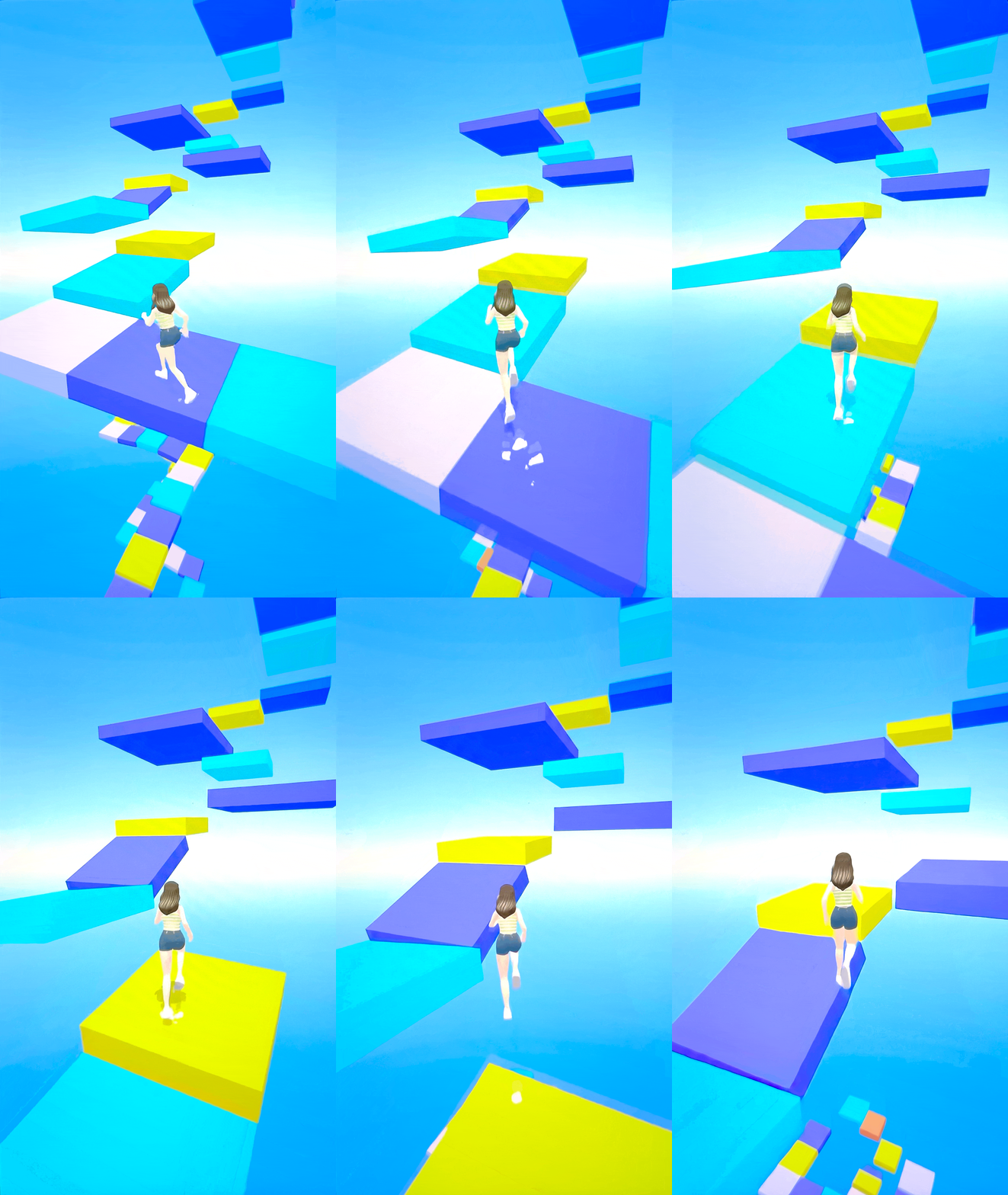
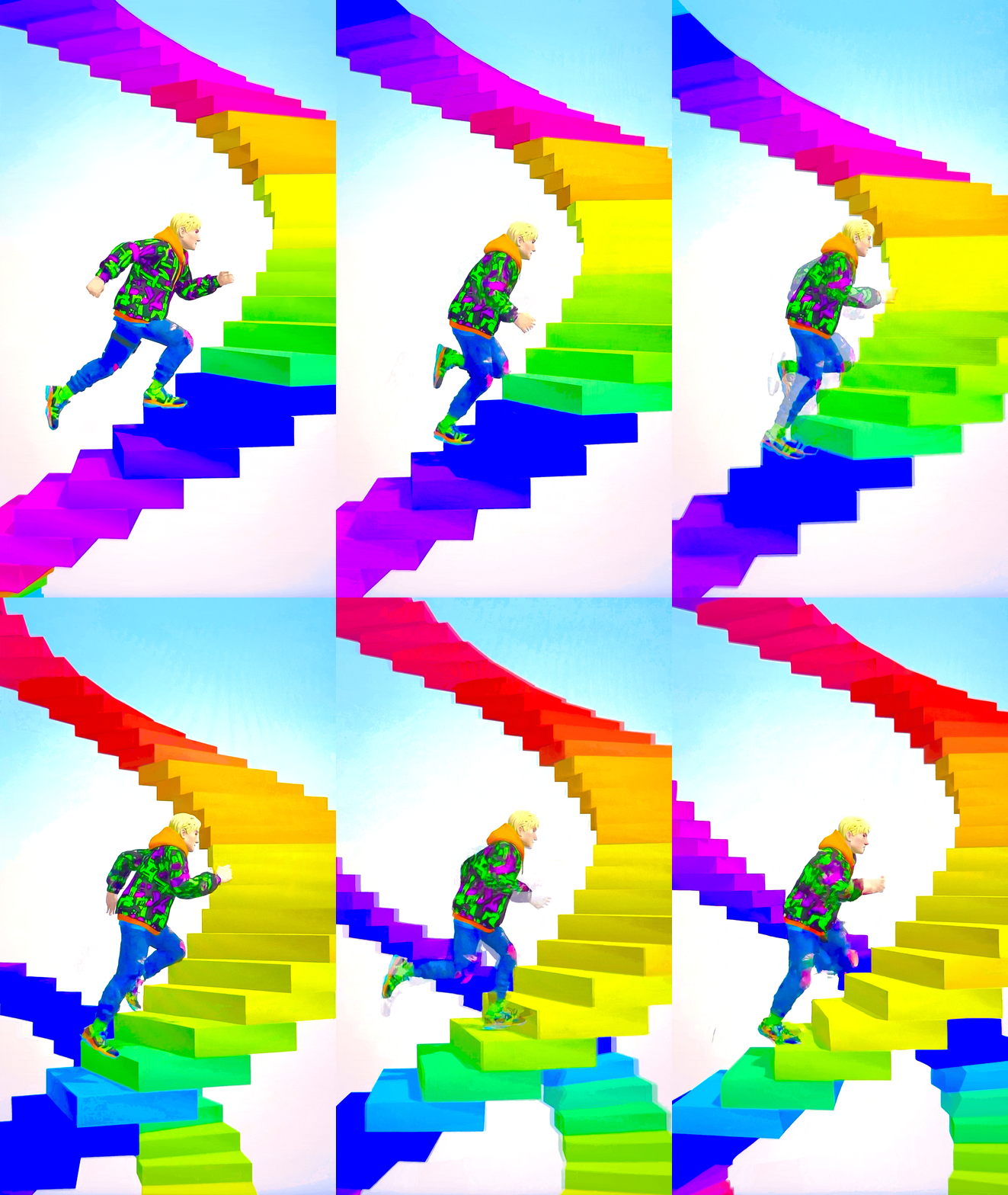
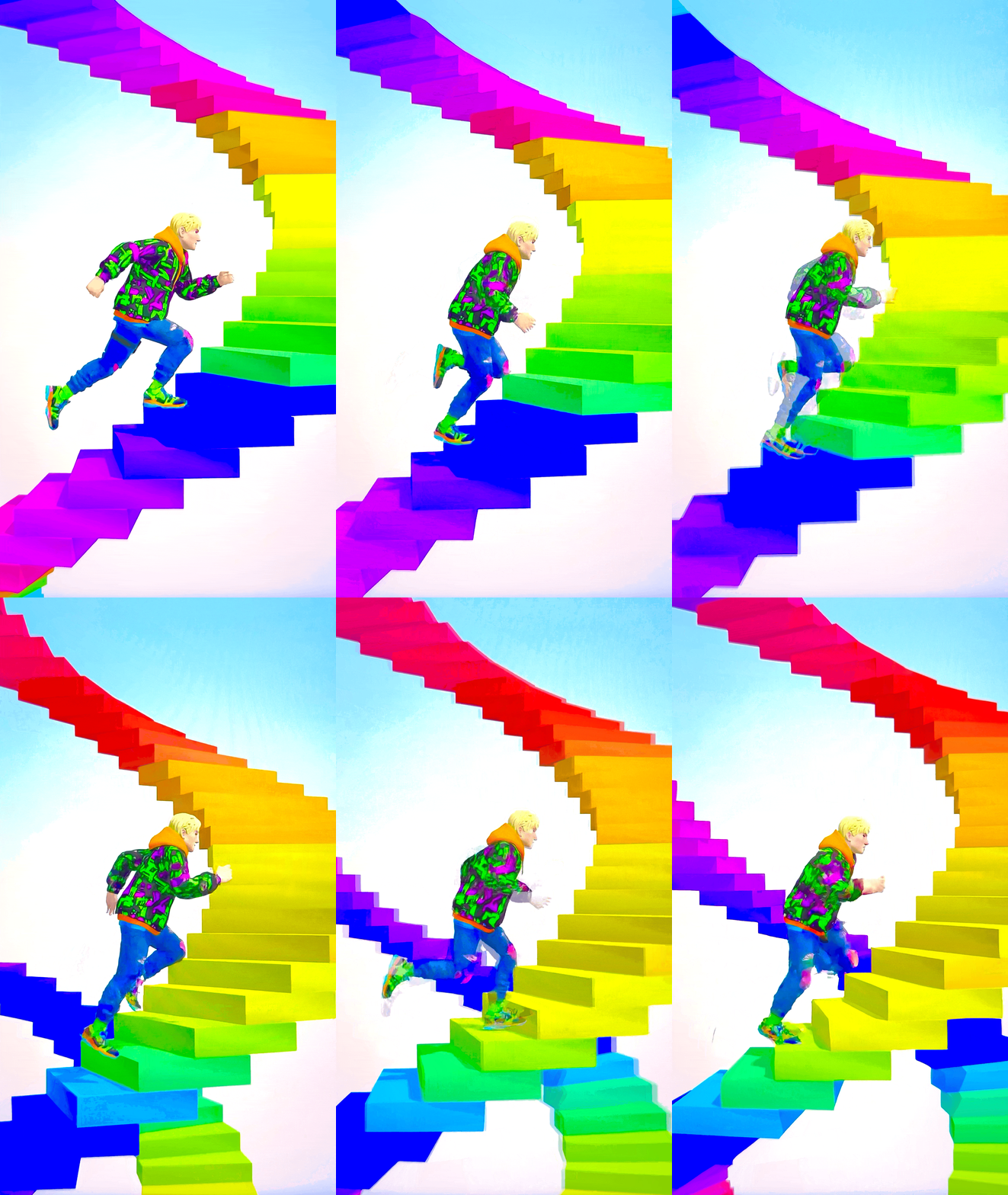
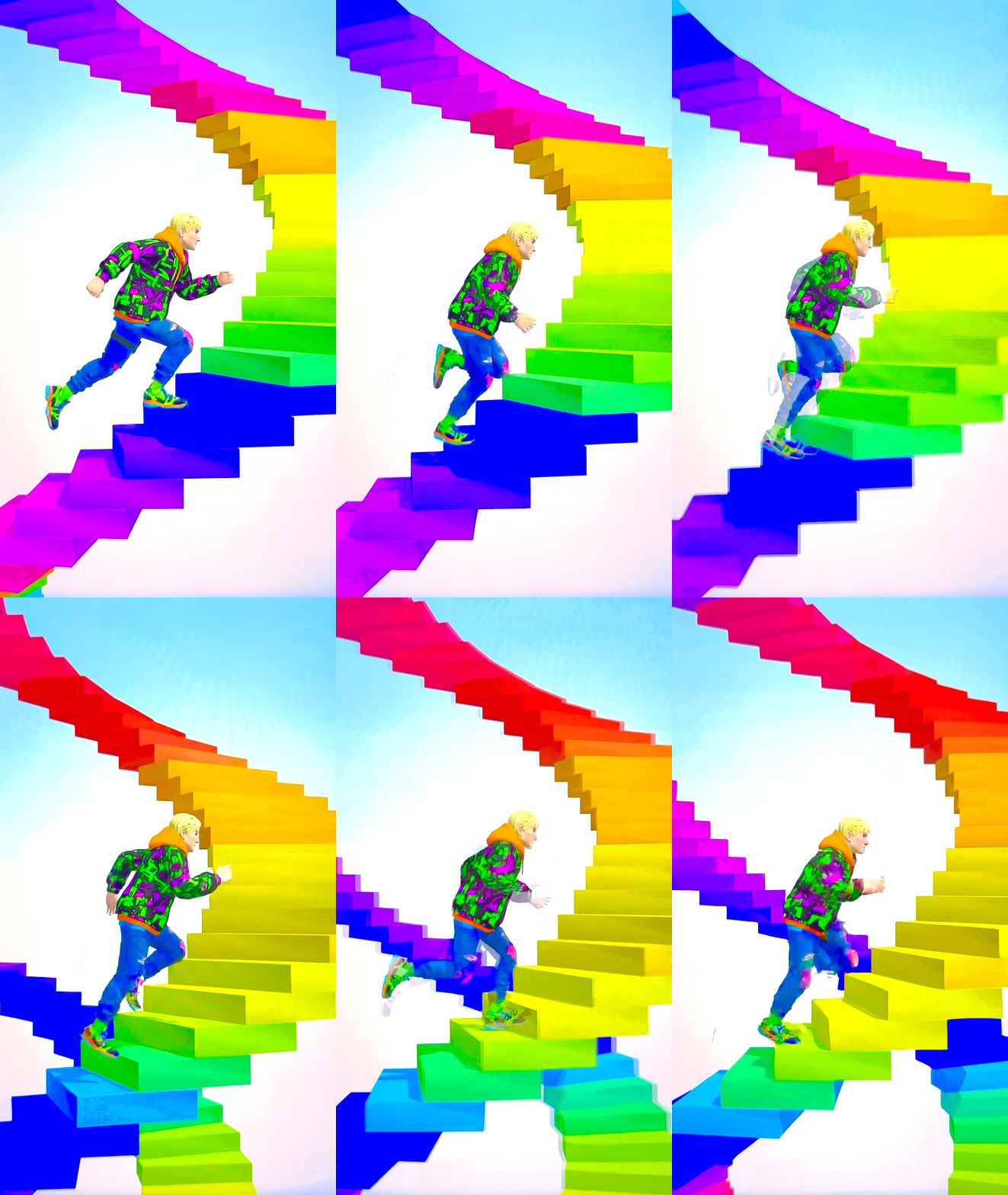
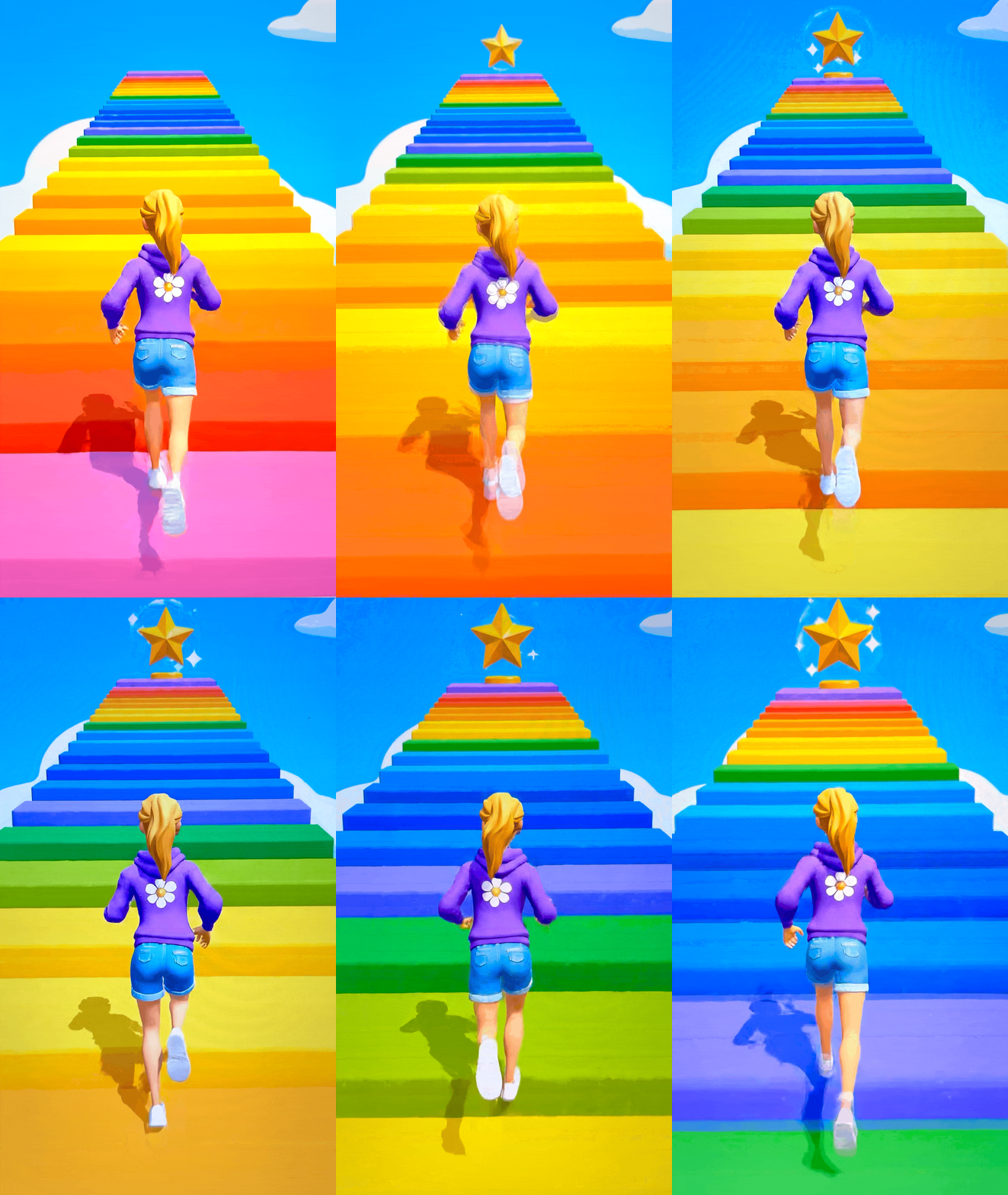
- **CHARACTER-ACTION** — A character is the primary actor performing visible action (running, attacking, mining, swinging an axe, sprinting through an obby, celebrating). Motion is BY the character.
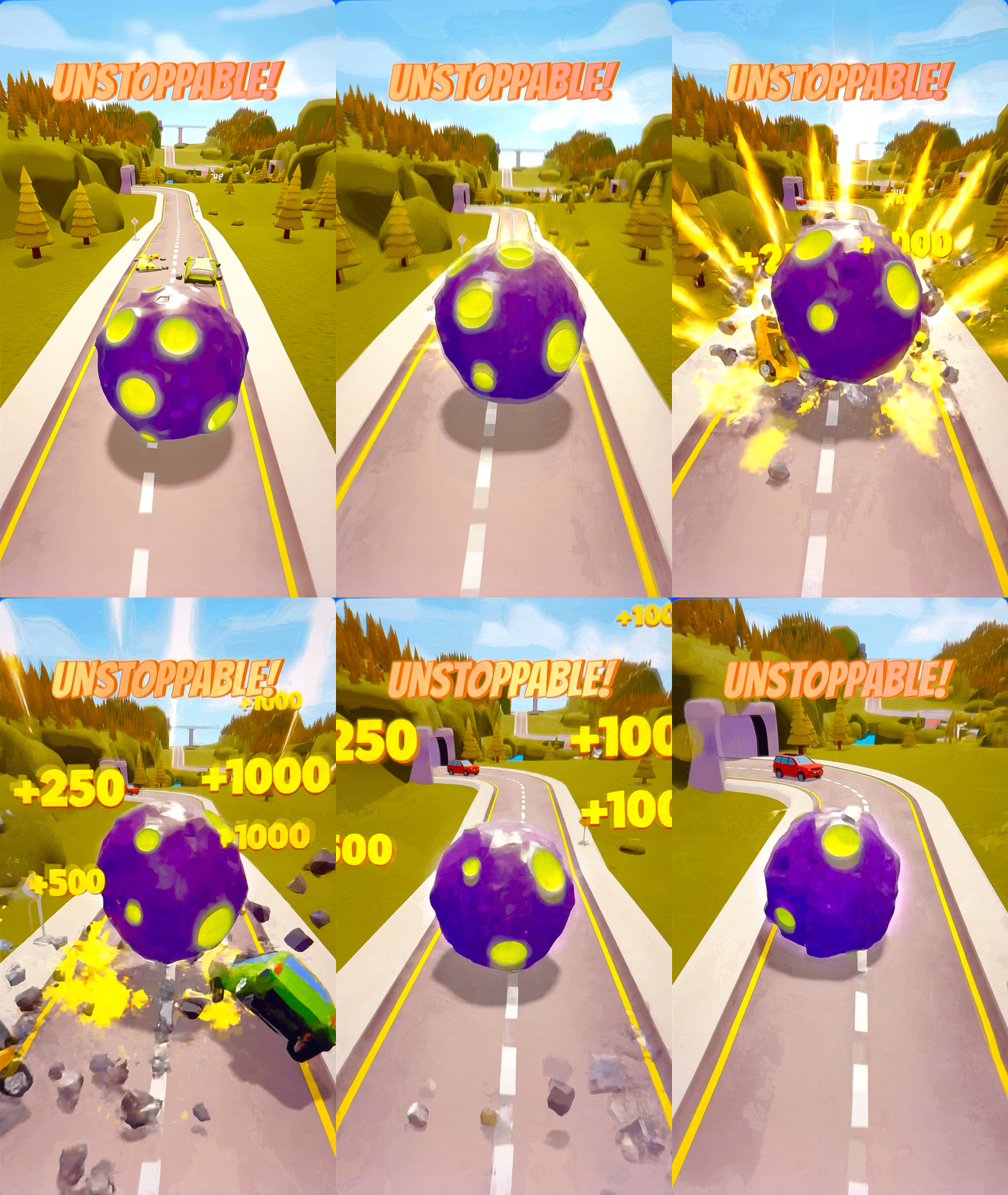
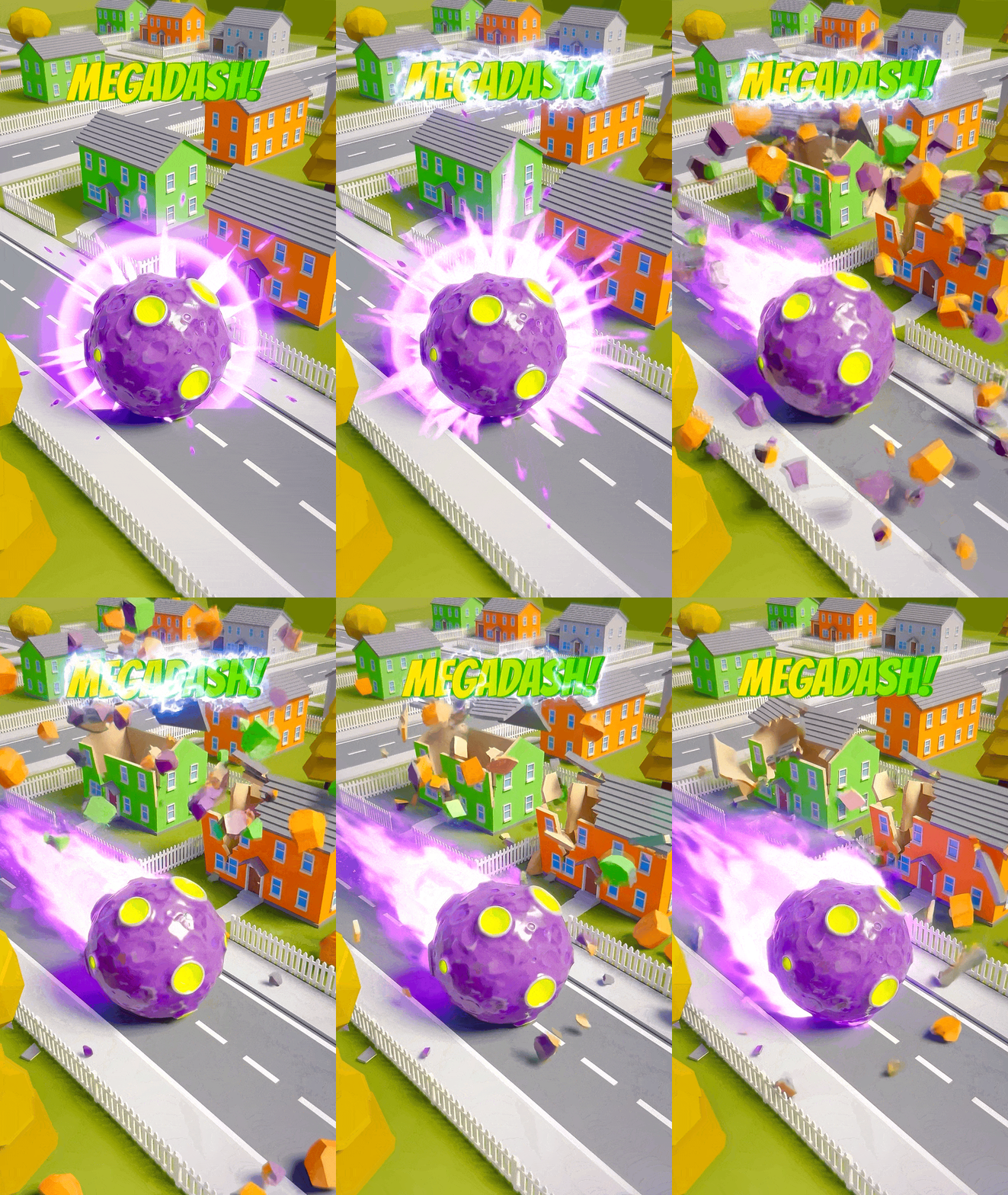
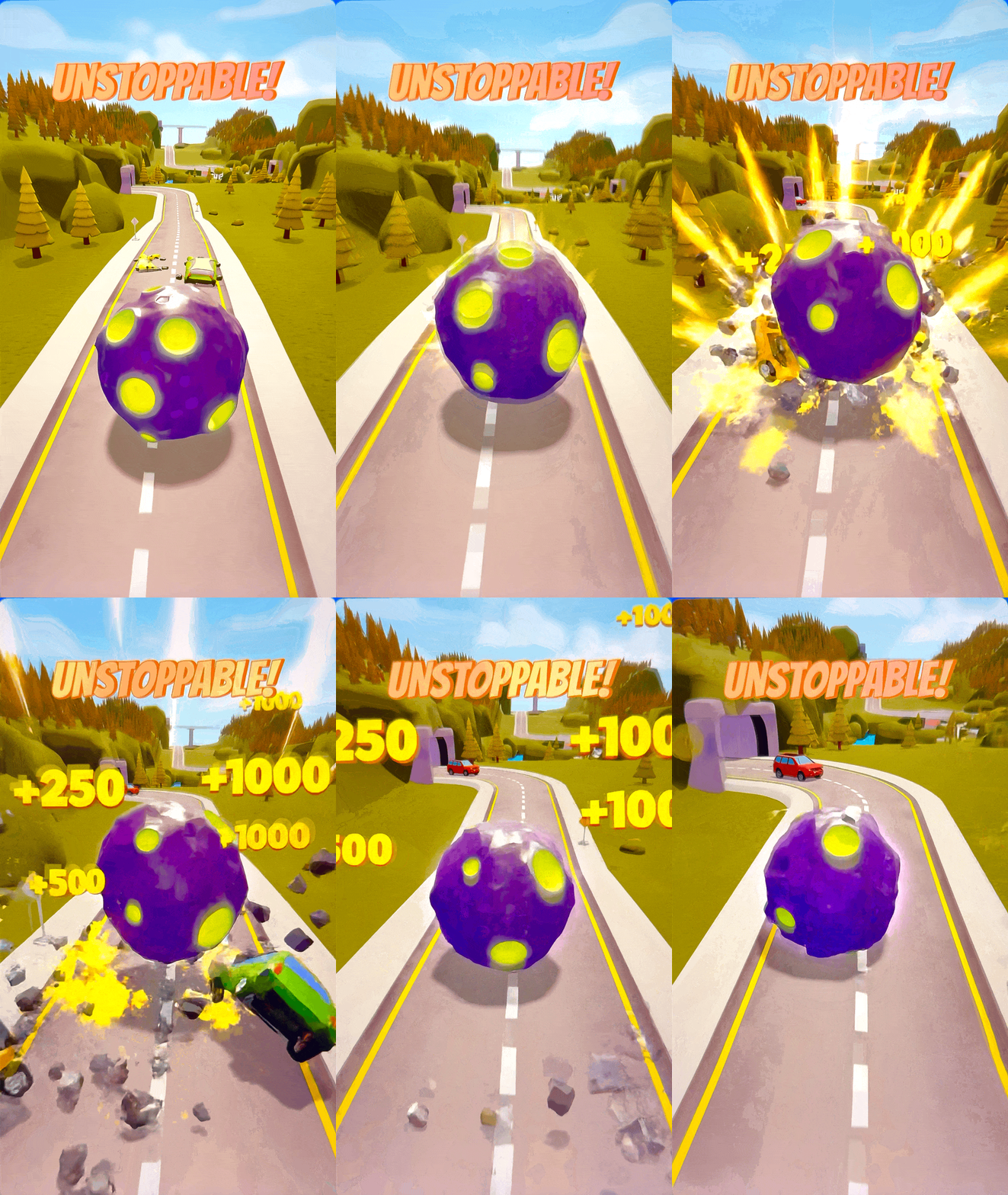
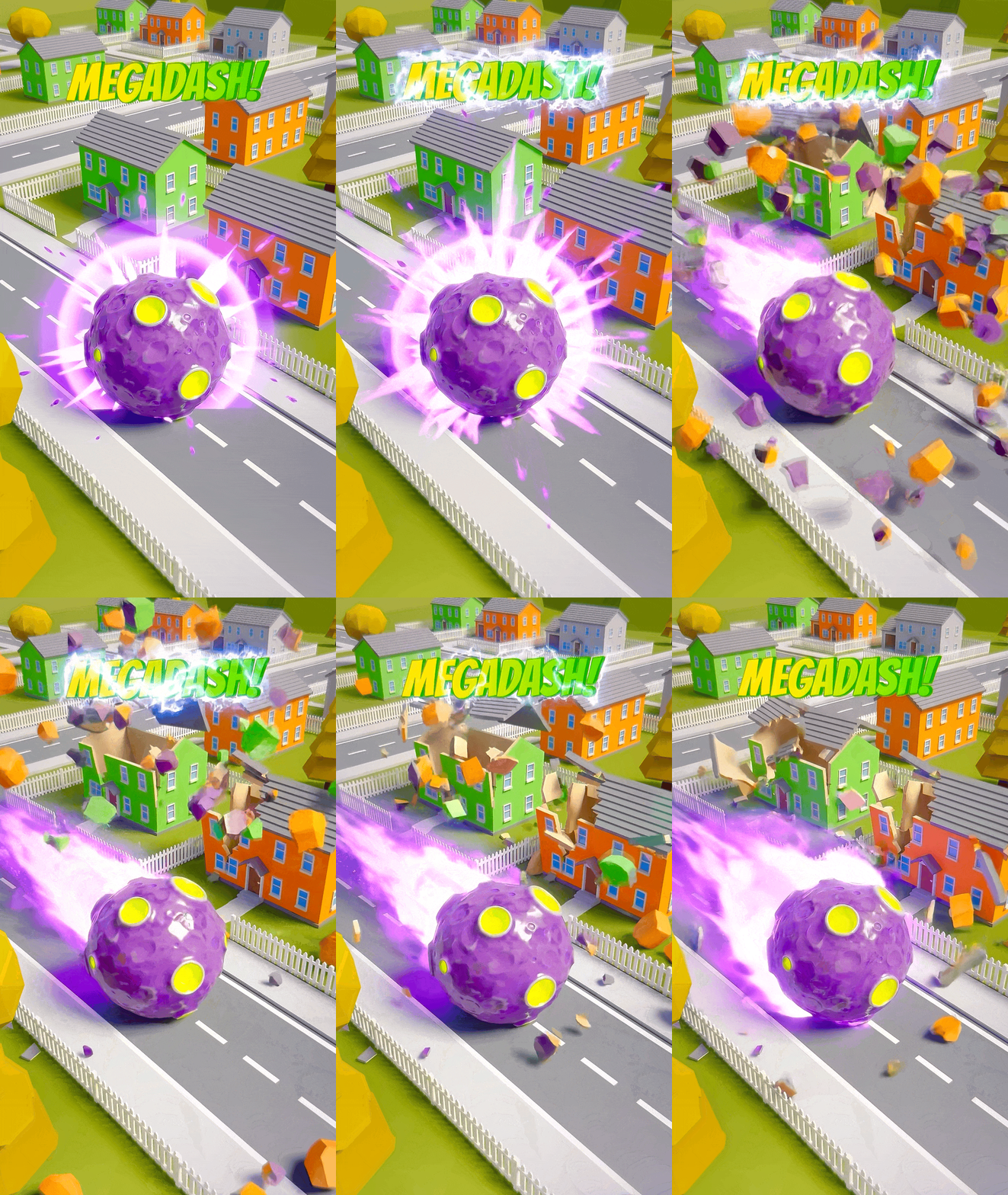
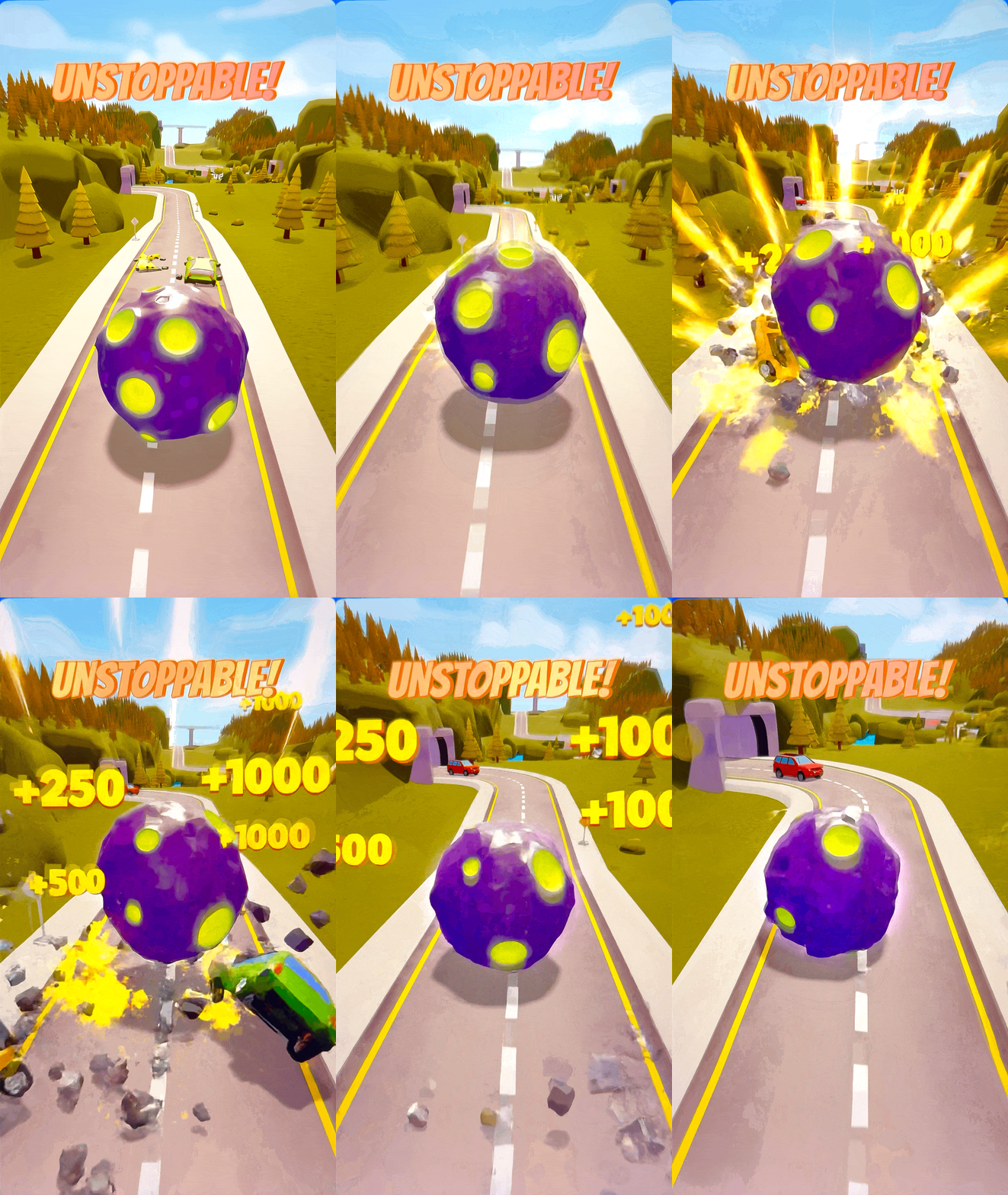
- **OBJECT-ACTION** — Primary motion is a non-character object (asteroid, vehicle, projectile, explosion, falling debris). Character may be present but is not the moving focus.
- **STATIC** — Primary subject is at rest or held: avatar speaking to camera, posed celebration, dialogue settle, environment hold. The `DIALOGUE SETTLE`, `DOLLY PUSH-IN`, and `DOLLY PULL-OUT` motion patterns are static.

This classification governs three rules below: Camera framing, Environment lock, and Negative prompt.

----

- **Camera framing for fast subjects:** Apply based on SUBJECT TYPE:
- **CHARACTER-ACTION:** No camera-framing override. Use the camera angle specified in the cinematic vision (chase, side, overhead, push-in, etc. all valid). Character has internal animation (leg cycle, arm swing, body bob) that conveys motion even from a chase view.
- **OBJECT-ACTION:** Prefer a fixed external camera (side-view, overhead, or stationary perspective) or a chase or POV camera. Chase or POV cameras pin the subject in the center of the frame, hiding its motion—the subject stays still while only the background moves. A fixed camera lets the subject visibly travel across the frame, which reads as speed.
- **STATIC:** No camera-framing override.